The hospitality sector thrives on delivering memorable experiences, from hotels and restaurants to cafés, pubs, and resorts. But behind the scenes, there’s a challenge that can quietly eat away at profits, reputation, and sustainability goals: waste.
Food waste, packaging, and general waste all add up quickly in hospitality. In fact, Australian hospitality businesses generate hundreds of thousands of tonnes of food waste each year, much of which ends up in landfill. For a sector under increasing pressure to reduce its environmental impact, this is both a challenge and an opportunity.
This article explores how hospitality businesses can cut food waste, boost recycling, and improve sustainability while saving costs.
Why Waste Management Matters in Hospitality
- High waste volumes – Food preparation, plate waste, packaging, and beverage containers create constant streams of waste.
- Cost implications – Wasted food equals wasted money. Landfill disposal costs add up quickly.
- Customer perception – Diners and guests are increasingly sustainability conscious; poor waste practices can impact reputation.
- Compliance – Regulations around food safety, recycling, and environmental reporting are tightening.
- ESG & Net Zero goals – Many hospitality groups have published sustainability targets, making waste diversion and recycling essential.
Smarter waste systems mean reduced costs, improved sustainability reporting, and enhanced brand reputation with eco-conscious guests.
The Biggest Waste Streams in Hospitality
- Food Waste – Leftovers, plate waste, expired stock, peelings, trimmings.
- Packaging Waste – Cardboard boxes, plastic wrap, beverage containers.
- Glass & Aluminium – Bottles and cans from bars, restaurants, and events.
- General Waste – Contamination, single-use plastics, mixed rubbish.
- Hazardous Waste – Cleaning chemicals, cooking oil, grease traps.
Reducing Food Waste in Hotels and Restaurants
Food waste is the hospitality sector’s biggest challenge, but also its biggest opportunity.
Strategies that work:
- Menu Planning & Portion Control – Tailor menus to reduce excess. Offer flexible portion sizes.
- Smart Inventory Management – Rotate stock (FIFO), forecast accurately, and track usage.
- Donation Programs – Partner with local charities to donate safe, unused food.
- On-Site Food Waste Recycling – Use organics bins, composting, or food to energy programs.
- Staff Training – Educate teams on waste separation and portion awareness.
💡 Did you know? Redirecting just one tonne of food waste from landfill prevents about 1.9 tonnes of CO₂ emissions.
Boosting Recycling in Hospitality Businesses
Recycling isn’t just about ticking a box, it’s about creating systems that actually work across multiple waste streams.
Best practices for hospitality recycling:
- Separate streams at the source – Clear bins for cardboard, glass, plastics, and food.
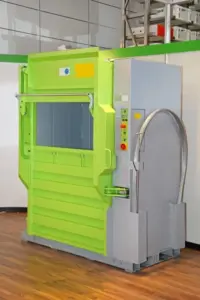
- Cardboard balers – Reduce volume and save on collection costs.
- Glass only bins – Avoid contamination in mixed recycling.
- Oil & Grease Recycling – Used cooking oil can be recycled into biofuel.
- Regular Waste Audits – Spot inefficiencies and track progress.
Increased recycling = reduced landfill costs, better sustainability scores, and a greener image for guests.
Hospitality Sustainability: The Business Case
Why should hospitality operators care beyond compliance?
- Cost Reduction – Efficient waste management lowers disposal and transport costs.
- Reputation & Guest Loyalty – Guests prefer eco-conscious venues.
- Compliance & ESG – Meeting reporting obligations and published sustainability targets.
- Staff Engagement – Employees are more motivated in a business committed to sustainability.
- Competitive Edge – Sustainability is increasingly part of tendering and supplier selection in hotels and restaurants.
Quick Wins for Hospitality Waste Management
- Install separate bins for food, cardboard, glass, and general waste.
- Run a waste audit to identify top problem areas.
- Train staff on source separation.
- Use reporting tools to track recycling and costs.
- Partner with a single provider for simplified service and billing.
Hospitality waste management isn’t just about compliance, it’s about creating a system that reduces costs, improves guest experience, and delivers on sustainability promises.
Hotels, restaurants, and venues that invest in smarter waste systems not only divert waste from landfill but also enhance profitability and reputation.
👉 If your hospitality business wants to reduce food waste, boost recycling, and hit sustainability targets, it’s time to rethink your waste services.
Talk to us today about tailored hospitality waste services and make a real difference for your business.
📞1300 729 922