Why Efficiency Matters in Waste Management
In today’s business environment, operational efficiency isn’t just a buzzword — it’s a lifeline. Rising landfill levies, increasing ESG reporting requirements, and the expectation for businesses to “do more with less” make efficiency a critical focus. Waste management, often overlooked as a background process, is actually one of the biggest opportunities to unlock cost savings, reduce risks, and improve sustainability outcomes.
Inefficient waste practices create hidden costs: unnecessary bin lifts, excessive transport fees, contamination fines, and even workplace injuries from poor manual handling. On the other hand, businesses that implement smarter waste processes and equipment not only cut costs but also deliver measurable environmental and compliance improvements.
This article explores how waste equipment, auditing, and smarter handling practices can transform operations, reduce risk, and improve business outcomes.
The Link Between Waste and Efficiency
Think of waste systems as the plumbing of your business. When it flows smoothly, everything downstream works better. But when there’s a blockage — whether it’s poorly sized bins, missed collections, or recycling contamination — the costs escalate fast.
- Financial inefficiencies: Paying for too many bin lifts, overfilled compactors, or unnecessary disposal charges.
- Operational inefficiencies: Staff wasting time managing bins instead of focusing on their actual job.
- Compliance inefficiencies: Breaches in health, safety, and environmental requirements, leading to penalties.
The good news? With the right tools and processes, waste can move from being a cost burden to becoming a driver of efficiency.
Smarter Equipment, Better Outcomes
Safer, Easier Lifting
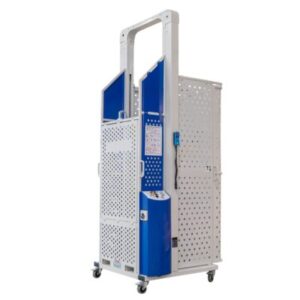
Manual handling is one of the most common causes of workplace injuries. Investing in bin lifters eliminates the strain on staff, reducing injury risk while speeding up the process of moving waste from wheelie bins into larger skips or compactors.
These systems improve both productivity and safety, ensuring compliance with workplace health and safety obligations while giving staff more time to focus on core tasks.
Compacting to Save Transport Costs
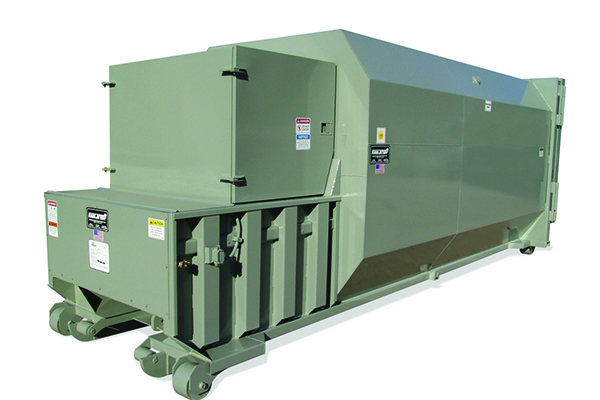
Space is money in waste management. Transporting air-filled bins costs businesses thousands each year. A general waste compactor compresses large volumes of waste into smaller loads, cutting the number of collections required and significantly lowering transport costs.
For high-volume sites, compactors can reduce collections by up to 80%, delivering major operational savings while minimising landfill trips.
Streamlining Recycling
Recycling programs often fail because of inefficiencies — staff time, storage space, or contamination. A recycling baler solves these issues by compressing recyclables into manageable bales that are easier to store, transport, and sell into recycling markets.
This approach turns cardboard, plastics, and other recyclables from a messy problem into a revenue opportunity.
Reducing Manual Handling with Smart Equipment
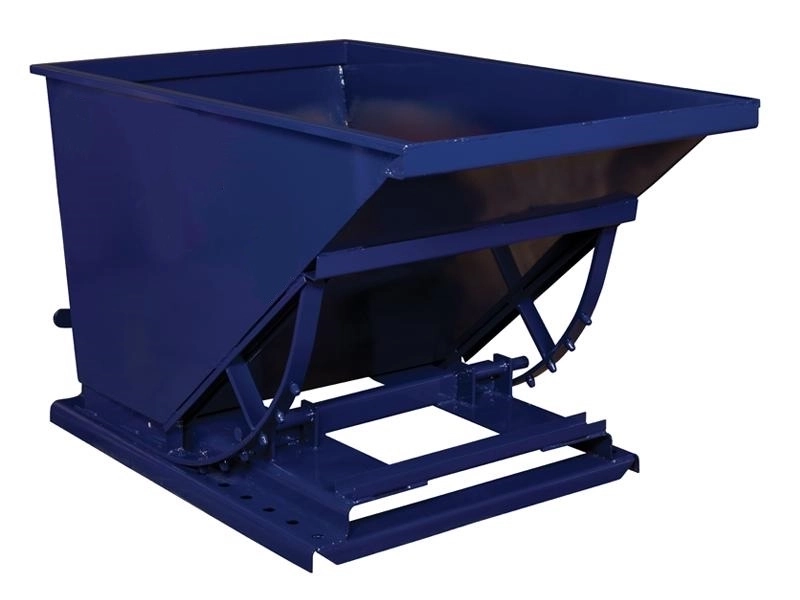
For businesses handling bulk waste, efficiency hinges on the right equipment. Solutions like tippler bins in Australia allow forklifts to empty containers without manual intervention. Pairing this with purpose-built waste handling equipment keeps operations moving smoothly while reducing downtime.
This not only saves time but also ensures compliance with workplace health and safety standards by cutting out unnecessary physical labour.
Reliable Containment for Any Business
Bins are the backbone of waste systems, but when poorly matched to site needs, they create inefficiencies. The right industrial waste bins make waste collection predictable, manageable, and safe. From small offices to large-scale manufacturing, choosing correctly sized bins means fewer overflows, fewer pickups, and a cleaner, more professional environment.
Smarter Processes Through Waste Auditing
Equipment delivers results, but it’s only part of the story. To get true operational efficiency, businesses need to know where inefficiencies exist. That’s where waste auditing comes in.
Audits provide:
- A clear picture of current waste streams.
- Identification of unnecessary costs, like over-servicing or contamination charges.
- Insights into recycling opportunities.
- A roadmap for compliance with ESG and sustainability goals.
With these insights, businesses can design smarter systems tailored to their actual needs — reducing both costs and environmental impact.
Case Example: From Chaos to Clarity
Consider a multi-site logistics business handling thousands of tonnes of waste annually. Before optimisation, each site had its own waste provider, inconsistent bin sizes, and little oversight. Costs were rising, staff were frustrated, and ESG reporting was a nightmare.
After implementing waste audits and rolling out new equipment — including compactors, balers, and bin lifters — the business achieved:
- 25% reduction in waste costs by cutting unnecessary collections.
- Improved staff safety with reduced manual handling.
- Cleaner recycling streams that improved diversion rates from 20% to 45%.
- Centralised ESG reporting that aligned with their sustainability targets.
Operational efficiency wasn’t just about saving money — it transformed the way the business operated, from frontline staff through to board-level reporting.
The Business Outcomes of Efficiency
Investing in efficient waste management delivers multiple benefits:
- Lower Costs: Fewer collections, reduced transport, less contamination.
- Improved Compliance: Meet health, safety, and environmental obligations.
- Stronger Sustainability: Increase recycling and cut Scope 3 emissions.
- Staff Productivity: Free up employees from waste tasks to focus on core responsibilities.
- Professional Reputation: Clean, efficient systems reflect positively on your brand.
Conclusion: The Efficiency Advantage
Operational efficiency in waste management is about more than bins and trucks — it’s about smarter systems, safer workplaces, and measurable cost savings. By combining the right equipment, smarter handling, and thorough auditing, businesses can transform waste from a burden into a driver of efficiency and sustainability.
If your business is ready to cut costs, improve safety, and strengthen its ESG performance, now is the time to act. Start by auditing your systems, reviewing your equipment, and designing a smarter waste solution tailored to your needs.
Ready to unlock operational efficiency? Take the first step by exploring smarter waste solutions for your business today.