
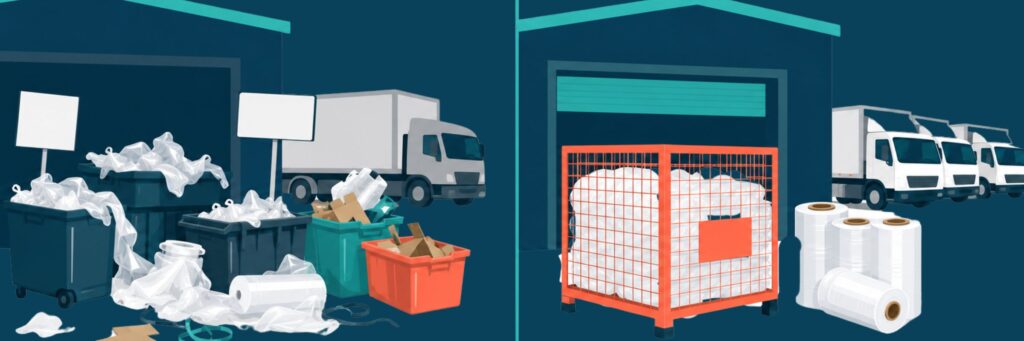
Pallet wrap can be one of the most visible waste streams in a warehouse, distribution centre or manufacturing facility, and it should not go in the general waste bin. Pallet wrap is a recyclable soft plastic, and placing it in general waste means it will typically end up in landfill instead of being recovered and reused.
A single location may be able to introduce a dedicated collection service relatively easily. Across multiple sites, the challenge is creating a pallet wrap recycling program that remains practical, consistent and transparent.
Material volumes vary. Storage space differs. Local recycling options are not identical. Employees may interpret separation instructions differently, while reports from several providers may use incompatible measurements.
A successful national program therefore needs more than the same bin at every site. It requires a common material standard, locally appropriate services, clear provider requirements and consolidated visibility over performance.
Is Pallet Wrap a Soft Plastic?
Yes. Pallet wrap – also called stretch wrap or stretch film – is a flexible plastic film and is generally treated as a commercial soft plastic.
However, that does not mean every soft plastic collection service will accept it, or that every flexible material generated at a site can be placed in the same stream.
APCO (Australian Packaging Covenant Organisation) explains that soft plastics can be recycled when they are compatible with the selected recycling process and collected through an appropriate system. Material composition, contamination and collection arrangements all influence whether the plastic can be effectively processed.
A recycler may accept clean, clear pallet wrap but exclude:
- Bubble wrap
- Laminated packaging
- Film contaminated with food or chemicals
- Material covered in labels or adhesive tape
- Compostable or biodegradable bags
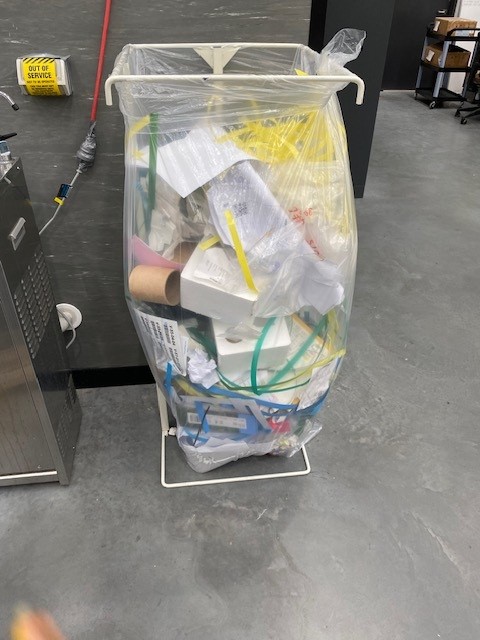
- Plastic strapping
- Coloured or heaviliy printed film
Before introducing a collection, businesses should confirm exactly which materials the receiving recycler accepts.
Why Pallet Wrap Recycling Matters for Multi-Site Businesses
Australia recovered 65,000 tonnes of business-to-business plastic packaging in 2023–24, representing a recovery rate of 39%. While this was higher than the recovery rate for consumer packaging, it still indicates that a significant proportion of commercial plastic packaging was not recovered.
Pallet wrap can be a practical stream to investigate because it is often generated in concentrated volumes at predictable points, such as goods-receiving areas, loading docks, unpacking stations and production lines.
Separating it may help an organisation:
- Reduce the volume of general waste
- Improve the quality of its recycling streams
- Identify avoidable packaging
- Produce better waste and diversion reporting
- Engage suppliers on packaging reduction
- Establish more consistent practices across its locations
The outcome depends on the quality of the material and the availability of a verified downstream pathway. A collection service alone does not prove that the material was recycled.
Why National Pallet Wrap Recycling Programs Become Inconsistent
Sites Generate Different Materials and Volumes
A major distribution centre may generate large quantities of clean stretch film every day. A regional branch may produce only a few bags each month, mixed with tape, labels and other flexible packaging.
Providing identical equipment and collection frequencies to both locations can create unnecessary costs, underfilled services and storage problems.
The objective should be a consistent national standard not an identical service at every site.
Collection Instructions Are Too Broad
A sign marked “soft plastics” can encourage employees to add any flexible-looking item.
This may introduce strapping, disposable gloves, food packaging, bubble wrap, foam and other materials that are not accepted by the recycler.
Instructions should be specific to the site and the confirmed recovery pathway. In many cases, clean, clear pallet wrap only is easier to understand and control than a broad soft plastics category.
Equipment Does Not Suit the Workflow
Pallet wrap should be captured close to where it is removed.
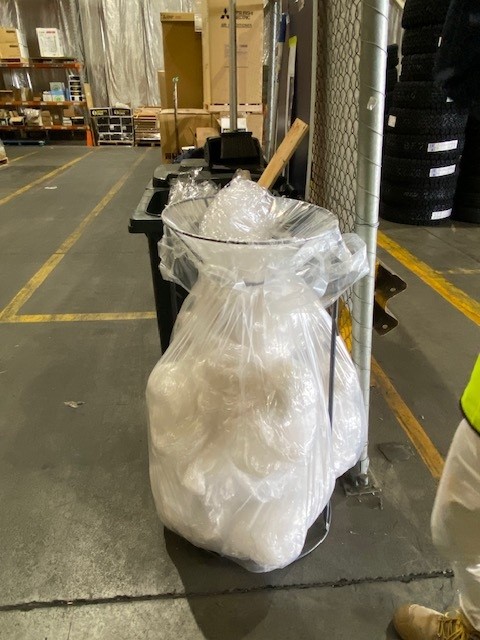
A large cage in a remote waste compound may not be used consistently if employees unwrap pallets at the opposite end of the warehouse. Smaller collection points may be required near receiving or unpacking areas, with the material later transferred to central storage.
High-volume sites may benefit from cages, bulk bags or baling equipment. Lower-volume sites may need less frequent collections, consolidation with another location or a different approach entirely.
Local Recycling Pathways Differ
A commercially viable service in a metropolitan area may not be available in a regional or remote location.
Providers may also apply different rules for colour, cleanliness, labels, storage and minimum quantities. The material may be delivered to different aggregators or processors depending on the region.
Australia is continuing to reform packaging regulation and improve packaging design, collection and recovery systems. These changes reinforce the need for businesses to verify current local capabilities rather than assume one recycling pathway is available nationally.
Reporting Focuses on Collections, Not Outcomes
Knowing that a bag or cage was collected is useful for service management, but it does not show how much material was recovered, whether contamination was found or where the load was delivered.
For a meaningful national view, organisations need an agreed reporting method across all participating sites and providers.
How to Build a Consistent Pallet Wrap Recycling Program
1. Review Each Site Before Selecting the Service
Begin by understanding how pallet wrap moves through each operation.
Review:
- Where the material enters and is removed
- Whether it is clear, coloured, printed or contaminated
- Approximate weekly or monthly volumes
- Existing disposal practices
- Available storage space
- Vehicle and collection access
- Seasonal changes
- Other soft plastics being generated nearby
Speak with the people who receive, unpack and dispatch goods. They can identify where the material is created, how it is currently handled and what may prevent correct separation.
2. Establish One National Material Standard
Document what is accepted and excluded before installing bins or bags.
A simple standard might include:
Accepted
Clean, dry and approved clear pallet wrap.
Excluded
Strapping, bubble wrap, cardboard, general rubbish, food-contaminated film, laminated packaging and any other materials not approved by the recycler.
The standard must reflect the requirements of the receiving facilities. Where regional rules differ, adopt a conservative common standard or document the variations clearly.
3. Segment Sites by Volume and Location
Group sites into practical service categories.
High-volume sites
Large warehouses, manufacturing facilities and distribution centres may suit:
- Dedicated collection cages
- Bulk bags
- Balers
- Scheduled bulk collections
These locations may offer the strongest opportunity to consolidate material and improve collection efficiency.
Medium-volume sites
These locations may suit:
- Framed collection bags
- Shared storage areas
- Less frequent scheduled services
- Collection alongside other recyclable materials
Low-volume or remote sites
A dedicated collection may not always be commercially or operationally viable.
Options may include:
- Consolidating material with another company site
- Backhauling it to a central facility
- Supplier take-back arrangements
- Periodic rather than scheduled collections
- Reducing pallet wrap at the source
A service may not be viable at every location. A credible program should identify those gaps rather than make unsupported national recovery claims.
4. Verify the Downstream Pathway
Ask each proposed provider:
- Which pallet wrap and stretch film grades are accepted?
- Must the material be clear, clean and dry?
- Are labels, tape or coloured film allowed?
- Is there a minimum collection quantity?
- Where will the material be delivered?
- How will it be processed?
- What happens to contaminated or rejected loads?
- What weights, dockets or recovery information are available?
- How will changes to acceptance criteria be communicated?
Record the answers in the service specification. Select providers for their ability to deliver a suitable pathway and reliable evidence—not simply remove the material.
5. Pilot the Program at Representative Sites
Rather than rolling out nationally at once, test the program at sites representing different conditions.
This could include:
- A high-volume metropolitan distribution centre
- A medium-volume warehouse
- A smaller regional location
During the pilot, monitor material quantities, contamination, employee participation, storage, collection reliability, service costs, reporting quality and changes in general waste volumes.
Use the findings to refine signage, training, equipment and collection schedules before expansion.
6. Make Separation Part of Normal Operations
Training should continue beyond the launch.
Include pallet wrap separation in:
- Employee induction
- Contractor onboarding
- Toolbox talks
- Site procedures
- Waste-area inspections
- Sustainability updates
Place clear signage at the point where pallet wrap is removed and use photographs of the materials employees handle every day.
Employees should know what belongs in the collection, what must stay out, whether labels or tape need to be removed, where uncertain items should go and who to contact when the service is full or contaminated.
7. Centralise Provider Management and Reporting
Allowing every site to organise its own pallet wrap recycling service can lead to:
- Different material instructions
- Multiple supplier contacts
- Inconsistent pricing
- Separate invoices
- Gaps in regional coverage
- Incompatible reports
- Limited visibility over receiving destinations
Central management creates a shared framework while retaining the flexibility to use the most suitable local provider.
A national program owner should be able to see participating locations, equipment, collection schedules, service performance, material quantities, contamination, rejected loads, costs and receiving destinations.
This gives procurement, operations and sustainability teams a consistent view of the program.
8. Measure Performance by Site
A national total can hide locations where a service is underused, contaminated or incorrectly sized.
Useful measures may include:
- Number of participating sites
- Kilograms or tonnes collected
- General waste reduction
- Contamination incidents
- Rejected loads
- Cost per collection
- Cost per tonne
- Service reliability
- Availability of downstream evidence
- Packaging reduction initiatives
Compare results across locations to identify high-performing sites, underused services and opportunities to right-size collections.
Recycling Should Not Be the Only Objective
A pallet wrap recycling program should also help the organisation examine why the material is being generated.
Procurement and operations teams can investigate:
- Reducing the amount of film applied to each pallet
- Calibrating wrapping equipment correctly
- Using an appropriate higher-performance film
- Introducing reusable pallet containment where practical
- Asking suppliers to reduce incoming packaging
- Preventing damaged or unused rolls
- Purchasing pallet wrap with recycled content
Any change must maintain load stability, product protection and workplace safety.
The goal is not to remove essential packaging. It is to reduce unnecessary material and create a verified pathway for the pallet wrap that remains.
What a Successful National Program Looks Like
Success does not mean installing the same pallet wrap cage at every location.
It means the organisation understands:
- Which sites generate recoverable material
- What employees are expected to separate
- Which provider manages each location
- Where the material is delivered
- What evidence is available
- How sites are performing
- Where recycling is not yet viable
- Which reduction opportunities should be investigated next
This gives the organisation national consistency while allowing services to be adapted to local operating conditions.
How Nationwide Waste Solutions Can Help
Managing pallet wrap recycling across multiple locations may involve several collectors, regional processing pathways and reporting formats.
Nationwide Waste Solutions can review pallet wrap and packaging waste across your sites, assess available recovery options and coordinate appropriate services through our provider network.
Our managed approach can help your business:
- Create consistent material standards
- Match equipment and collections to each location
- Coordinate multiple providers through one point of contact
- Consolidate service information and invoicing
- Monitor contamination and collection performance
- Improve national waste and recycling visibility
- Identify opportunities to reduce packaging and general waste
Because we are an independent waste and recycling broker, the solution can be designed around the requirements of each site and the most suitable available provider.
A national pallet wrap recycling program should not begin by asking which bin to install.
It should begin by asking:
What material are our sites generating?
Which verified recovery pathways are available?
How will we manage performance consistently across the network?
Speak with Nationwide Waste Solutions about reviewing pallet wrap and packaging waste across your Australian locations.



Leave a Reply
You must be logged in to post a comment.